
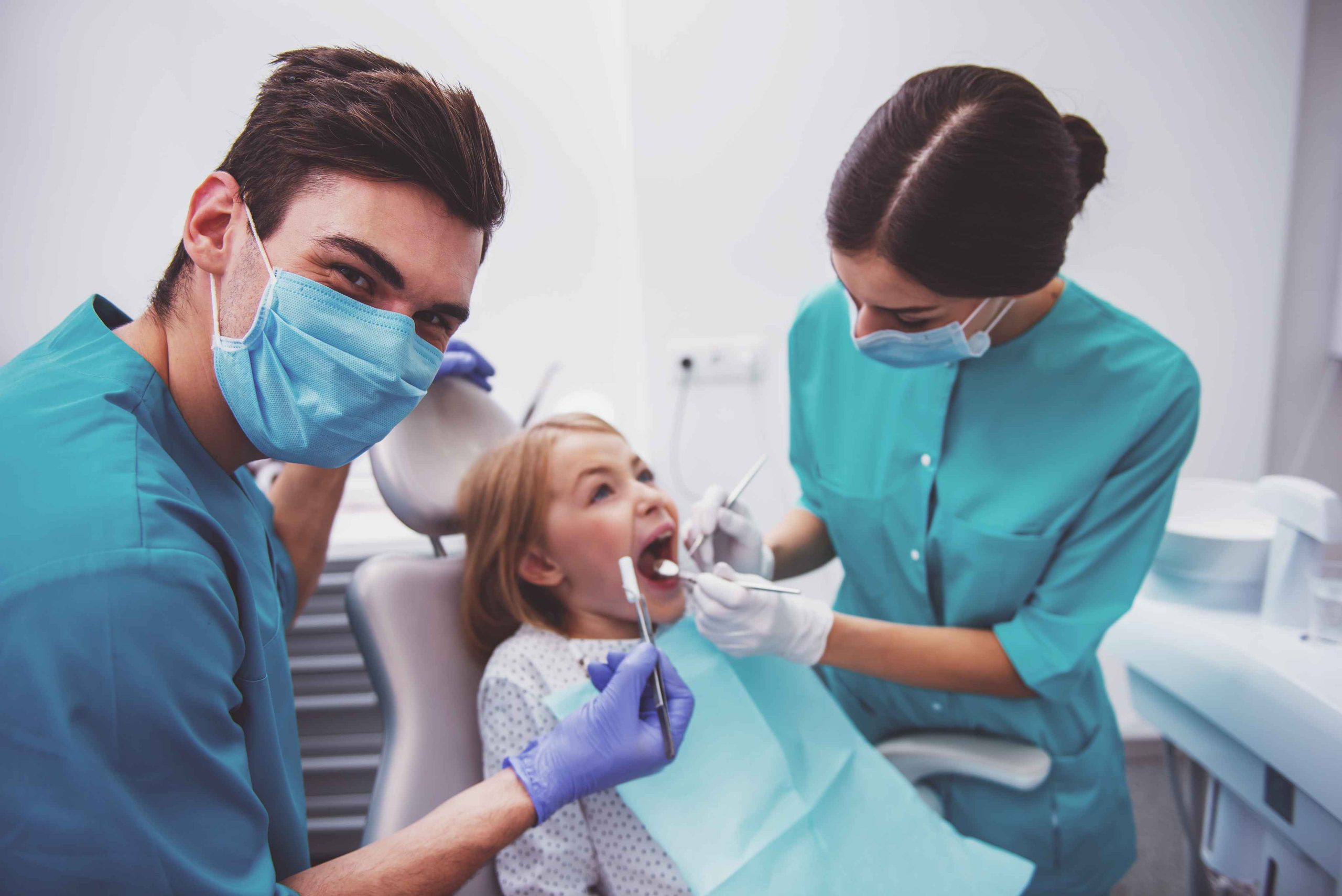
A pediatric dentist may help children build healthy dental habits through exams, cleanings, cavity checks, gum reviews, growth monitoring, and parent guidance. Families in Richmond, Needville, and Rosenberg should expect age-appropriate care that looks at baby teeth, permanent teeth, brushing habits, diet, thumb sucking, pacifier use, tooth pain, and comfort during visits. Early dental care can help parents understand what is normal, what needs attention, and how to support oral health at home.
Children’s dental needs can change quickly as baby teeth come in, fall out, and make room for permanent teeth. A parent in Richmond may wonder when a first visit should happen. A family in Needville may notice a dark spot on a baby tooth. Someone in Rosenberg may want help with brushing battles, thumb sucking, or a child who feels nervous about dental care.
A visit with a pediatric dentist should be gentle, clear, and based on the child’s age and needs. The dentist may check teeth, gums, bite development, brushing habits, diet, oral growth, and any symptoms the parent has noticed. The goal is not only to treat problems. It is also to help children feel more familiar with dental visits and help parents make confident choices at home.
Early Visits Help Parents Know What to Watch
Baby teeth may be temporary, but they still play an important role in chewing, speech, spacing, and guiding permanent teeth. Cavities in baby teeth can cause pain, infection, and trouble eating if they are not addressed.
During an early visit, a pediatric dentist may review tooth eruption, gum health, enamel strength, bite development, and home care routines. Parents can also ask about brushing, flossing, fluoride, snacks, drinks, pacifiers, and thumb sucking.
These visits help families understand what looks healthy and what may need for monitoring.
Why Baby Teeth Need Regular Care
Baby teeth hold space for adult teeth and help children chew comfortably. If a baby tooth is lost too early due to decay or injury, nearby teeth may shift into the space.
This can affect how permanent teeth come in later. Not every baby tooth concern requires the same treatment, but it should be evaluated before it becomes painful.
Regular dental care can help catch small changes before they become harder for a child to manage.
What Pediatric Dentistry May Include
Families may hear the term pediatric dentistry and think only of cleanings, but children’s care often includes much more. It may involve exams, cavity checks, fluoride guidance, sealant discussions, gum reviews, growth monitoring, habit counseling, and care for dental injuries.
The dentist may also watch how the jaw, bite, and permanent teeth are developing. This can help parents know whether a child should be monitored or referred for an orthodontic evaluation later.
Children’s dental care should grow with their child.
Finding the Right Dental Fit for a Child
A parent looking for a children’s dentist may want more than a routine exam. They may want a dental team that explains care in a way children and parents can understand.
Children may need extra time to get comfortable with new sounds, lights, and dental tools. A child-friendly approach can help the visit feel less overwhelming.
The dentist should also explain findings to parents without using scare tactics or making promises that are not based on the exam.
A Kid-Focused Visit Can Build Confidence
A family searching for a dentist for kids may be trying to help a child who is nervous, shy, active, or unsure about dental care. The way a visit is introduced can shape how the child feels next time.
The dental team may use simple words, short explanations, and age-appropriate guidance. Some children do better when they know each step before it happens. Others may need a slower pace.
Comfort is part of care, especially for young patients.
Snacks and Drinks Can Affect Teeth
Frequent snacking and sipping can raise cavity risk, especially with juice, sports drinks, soda, sticky snacks, and foods that cling to teeth. Even small amounts can matter if they happen often throughout the day.
Water between meals can help reduce sugar exposure. Keeping sweets with meals instead of frequent grazing may also help lower risk.
Parents do not need perfect routines. They need clear habits that fit family life.
Growth Monitoring Is Part of Children’s Care
A second part of pediatric dentistry is watching how the mouth changes as a child grows. The dentist may look at spacing, crowding, jaw growth, tooth eruption, and bite patterns.
Some bite concerns are normal at certain ages. Others may need closer monitoring or orthodontic discussion. Early observation does not always mean early treatment.
It simply helps parents understand what is developing and what should be watched over time.
Dental Injuries Should Be Checked
Children can chip, loosen, or knock out teeth during sports, play, falls, or accidents. Even if a tooth looks mostly normal, trauma can affect the nerve, root, gum, or developing adult tooth underneath.
A second visit with a children’s dentist may be needed after an injury to monitor color changes, swelling, pain, or looseness. Parents should not ignore a tooth that darkens, becomes tender, or develops a gum bump.
Dental trauma should be evaluated so the right next step can be chosen.
Comfort Concerns Are Common
A child may cry, avoid opening, asking many questions, or feel nervous before a dental visit. This does not mean the child is difficult. New experiences can feel big to children.
A second search for a dentist for kids often happens when parents want to care that respects a child’s pace. The dentist may suggest short visits, simple explanations, positive reinforcement, and parent guidance.
Helping a child feel safe can support better long-term dental habits.
Fluoride and Sealants May Be Discussed
Fluoride can help strengthen enamel and reduce cavity risk for many children. The dentist may discuss fluoride based on the child’s age, cavity risk, water source, brushing habits, and enamel condition.
Sealants may be recommended for deep grooves on back teeth where food and plaque collect. They do not replace brushing, flossing, or regular exams, but they may help protect certain chewing surfaces.
Recommendations should be personal to the child’s risk level.
What to Expect During the Appointment
Before the visit, parents should share medical history, medications, allergies, past dental experiences, brushing habits, diet, thumb sucking, pacifier use, tooth pain, or any recent injury.
During a visit with Children’s Dentistry of Texas & Orthodontics, the dentist may examine the child’s teeth, gums, bite, oral tissues, growth, and any areas of concern. X-rays may be recommended based on age, symptoms, risk level, and what can be seen during the exam.
After the visit, parents should understand what looks healthy, what needs care, and what habits may help at home.
Benefits of a Strong Early Dental Routine
For many children, regular care with a pediatric dentist may support cavity prevention, gum health, comfort with dental visits, healthy brushing habits, and monitoring of tooth and jaw development.
Parents also gain a clearer plan for snacks, brushing, fluoride, sealants, habits, and dental injuries. This can make daily care feel more manageable.
The benefit is not only a clean smile. It is helping children understand dental care as a normal part of growing up.
Local Patient Review
“My child was nervous before the visit, but the team explained each step in a simple way. I left with a better idea of what to watch at home.”
Healthy Childhood Smiles Begin with Familiar Care
Families in Richmond, Needville, and Rosenberg can feel more prepared when children’s dental visits include clear explanations, age-appropriate exams, and practical home guidance. Children’s Dentistry of Texas & Orthodontics can assist parents in understanding their child’s needs and selecting a composed subsequent step.
Frequently Asked Questions
When should a child have their first dental visit?
A child should be seen early so the dentist can check tooth growth, gums, habits, and parent questions.
Do baby teeth really need fillings?
Sometimes. The dentist considers the cavity size, symptoms, tooth position, and how long the tooth may stay.
How can I help my child brush better?
Use a small brush, help with back teeth, brush twice daily, and check the gumline where plaque collects.
Are dental X-rays safe for children?
X-rays are recommended only when needed based on age, risk, symptoms, and what the dentist must evaluate.
What if my child is nervous?
Tell the dental team. A calm pace, simple words, and short explanations may help the child feel safer.
Can thumb sucking affect teeth?
It may affect bite development if it continues for a long time, so the dentist may monitor the habit.
What should I do after a chipped tooth?
Have the tooth checked, especially if there is pain, looseness, swelling, bleeding, or a color change.
How often should children have dental visits?
The dentist may recommend a schedule based on the child’s age, cavity risk, gum health, and home care.