
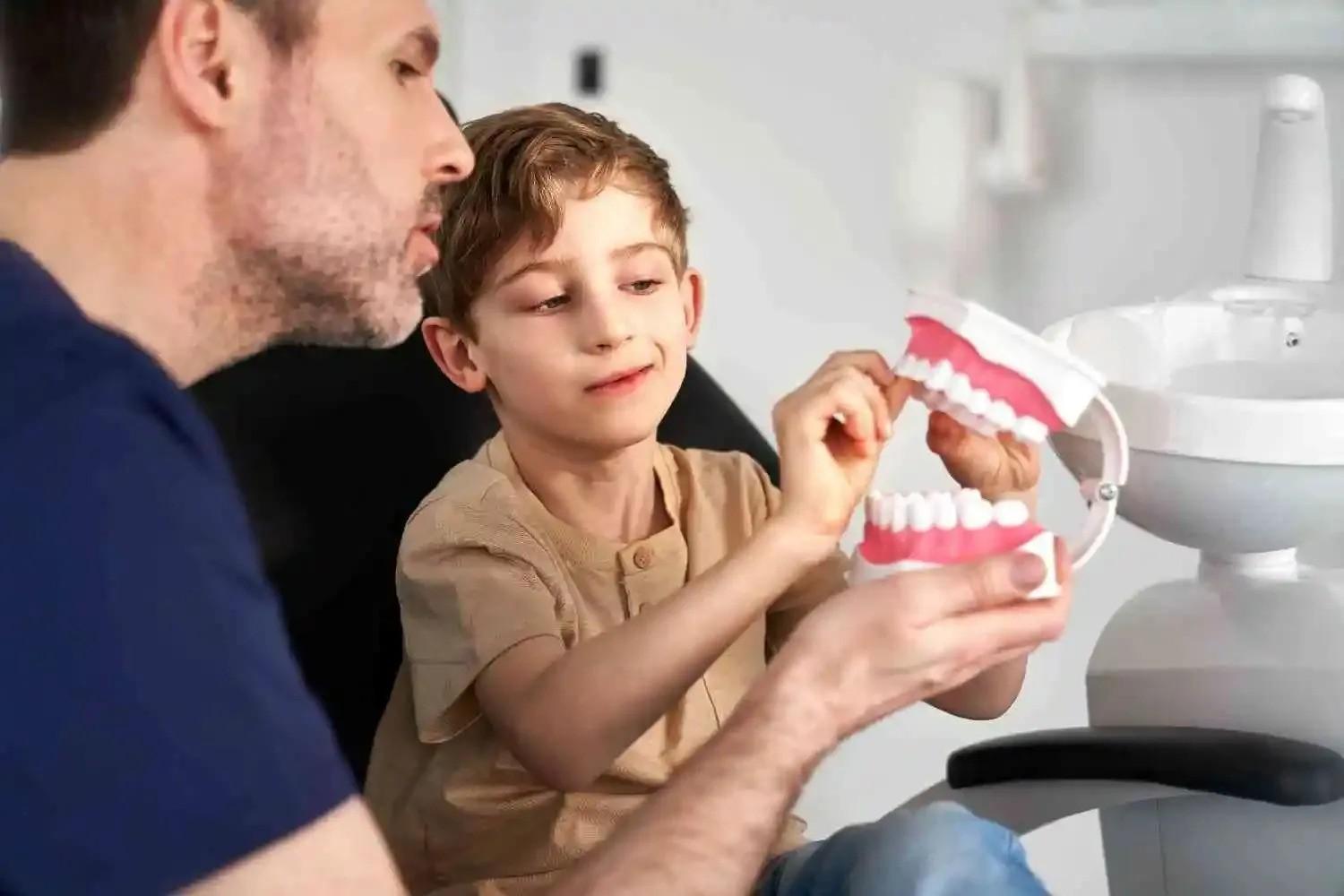
A dentist for kids in Richmond should provide child-focused exams, preventive care, cavity checks, gentle communication, and clear guidance for home routines. Pediatric dental visits in Richmond can help children build healthy habits, monitor tooth development, manage cavity risk, and address concerns early. The right dental office should help parents understand what is happening in their child’s mouth, what needs attention, and how to support healthier teeth between visits.
Choosing dental care for a child is different from choosing care for an adult. Parents often want a place that can explain things clearly, help children feel more comfortable, and catch small concerns before they become bigger problems. In Richmond, children may need support with brushing habits, diet changes, tooth eruption, cavities, sports-related risks, or early bite concerns. At Children’s Dentistry of Texas & Orthodontics, parents may look for dental care that feels age-appropriate and practical.
For families searching for a dentist for kids Richmond, the goal is not only a cleaning. A helpful visit should give parents a clear picture of their child’s teeth, gums, habits, and risk for cavities. It should also help children learn that dental care is a normal part of growing up.
Why Children Need Dental Care That Fits Their Age
Children’s mouths change quickly. Baby teeth come in, fall out, and make room for permanent teeth. During these years, a dentist checks more than cavities. Tooth growth, jaw development, bite patterns, oral habits, and home-care routines all matter.
A child who is still learning to brush may miss back teeth. A child with deep grooves in molars may be more likely to trap food. A teen with braces or crowded teeth may need extra help cleaning certain areas.
This is why pediatric dental care should match the child’s stage. The visit should feel simple enough for a child to understand, while still giving parents useful information.
What Happens During a Kids’ Dental Checkup
A child’s dental checkup usually includes a review of health history, dental concerns, brushing habits, diet, and any symptoms. The dentist may check the teeth, gums, bites, tongue, cheeks, and jaw development.
Cleanings help remove plaque and buildup that brushing may be missed. X-rays may be recommended depending on age, symptoms, cavity risk, and tooth development. They can help show cavities between teeth or check how permanent teeth are coming in.
Parents should leave with clear guidance. That may include brushing tips, flossing support, cavity prevention, sealant recommendations, fluoride discussion, or monitoring of bite and spacing.
Prevention Is a Big Part of Children’s Dentistry
Preventive care helps reduce the chance of cavities and gum irritation. It also helps children learn habits that can protect their teeth as they grow. Brushing, flossing, healthy snacks, water, and routine dental visits all work together.
Fluoride treatment for kids in Richmond, TX may be discussed when a child has a higher cavity risk or needs extra enamel support. Fluoride can help strengthen enamel and may make teeth more resistant to acid attacks from plaque and sugar.
Dental sealants may also be recommended for some children. Sealants protect the grooves of back teeth where food and bacteria often collect. These options do not replace brushing, but they can support a stronger prevention plan.
How Dental Sealants May Help Back Teeth
Back molars often have tiny grooves that can be hard for children to clean. Even a child who brushes well may miss these areas. Food and plaque can settle into the grooves and raise the risk of cavities.
Dental sealants for kids Richmond, TX parents ask about may help protect these chewing surfaces. A sealant is a thin protective coating placed over the grooves of the back teeth. It helps create a smoother surface that may be easier to keep clean.
Sealants are not needed for every child. A dentist may recommend them based on tooth shape, cavity history, brushing habits, and risk level.
Comfort and Communication Matter
A child’s dental experience can shape how they feel about future visits. A good kids’ dental visit should use language a child can understand. The dentist may explain tools, steps, and sensations in simple terms.
Parents also need communication that is clear and calm. If a cavity is found, the explanation should include where it is, why it matters, and what treatment may be recommended. If a child is nervous, the dental team may suggest ways to make the visit easier.
For Richmond parents, comfort is not about making promises. It is about helping children understand what is happening and helping parents make informed choices.
Everyday Benefits of a Consistent Dental Home
A child-focused dental home can make care easier to manage over time. The same office can track growth, cavity risk, habits, and changes in the bite.
Benefits may include:
- Earlier detection of cavities
- Better brushing and flossing guidance
- Support for nervous children
- Monitoring of baby and permanent teeth
- Cavity prevention with fluoride or sealants when suitable
- Clearer guidance for parents
- A familiar place for routine and urgent concerns
These benefits depend on regular visits, home care, diet, and the child’s needs. Dental care works best when parents and the dental team stay consistent.
What Parents Can Do Between Visits
Parents play a major role in children’s oral health. Younger children often need help brushing because they may not have the coordination to clean every tooth well. Older children may still need reminders to brush long enough and floss properly.
Limit frequent sugary snacks and drinks when possible. Juice, soda, sports drinks, sticky candy, and frequent snacking can raise cavity risk. Water is usually a better daily choice between meals.
If a child has tooth pain, swelling, a broken tooth, or dental trauma, parents should not wait for the next routine visit. Severe pain, swelling, bleeding, fever, or signs of infection should be checked urgently.
What to Expect at the First Visit
A first visit usually starts with questions about your child’s health, dental history, brushing habits, diet, and any concerns. Parents may mention thumb sucking, pacifier use, tooth grinding, sensitivity, or nervousness.
The dentist may count the teeth, check the gums, look at bite development, and complete a cleaning if appropriate. The visit may also include X-rays if needed based on age and risk.
After the exam, parents should receive practical guidance. This may include home-care tips, prevention options, treatment needs, or when to return for the next visit.
Local Patient Review
“My child was nervous before the visit, but the steps were explained in a way we both understood. I left knowing what to work on at home.”
Helping Kids Build Healthier Dental Habits
Children’s dental care works best when prevention, comfort, and clear guidance come together. For families in Richmond looking for routine care, cavity prevention, or help with a child’s dental concern, Children’s Dentistry of Texas & Orthodontics can help make the next step feel clearer.
Frequently Asked Questions
When should my child first see a dentist?
Children should usually see a dentist after the first tooth appears or by their first birthday. Early visits help parents learn about brushing, diet, tooth development, and cavity prevention.
How often should kids visit the dentist?
Many children benefit from dental visits about every six months. Some children may need more frequent visits based on cavity risk, enamel concerns, oral habits, or treatment needs.
What makes a kids’ dentist different?
A kids’ dentist focuses on children’s growth, behavior, baby teeth, permanent tooth development, prevention, and age-appropriate communication. The visit is planned around a child’s stage.
Can a dentist help if my child is nervous?
Yes, a child-focused dental team can use simple explanations, breaks, and calm communication. Some children may need extra support depending on age, anxiety, and treatment needs.
Are dental sealants good for kids?
Sealants may help protect back teeth with deep grooves that are hard to clean. A dentist can check whether your child’s molars may benefit from sealants.
Does my child need fluoride treatment?
Fluoride may be recommended if your child has higher cavity risk or needs added enamel support. The dentist can explain whether it fits your child’s preventive plan.
What if my child has a cavity?
A cavity should be evaluated to see how deep it is and whether a filling is needed. Baby teeth may need treatment because they help with chewing, speech, and spacing.
How can I help my child brush better?
Use a soft toothbrush, supervise brushing, and help younger children reach back teeth. Your dentist can show areas your child may be missing.