
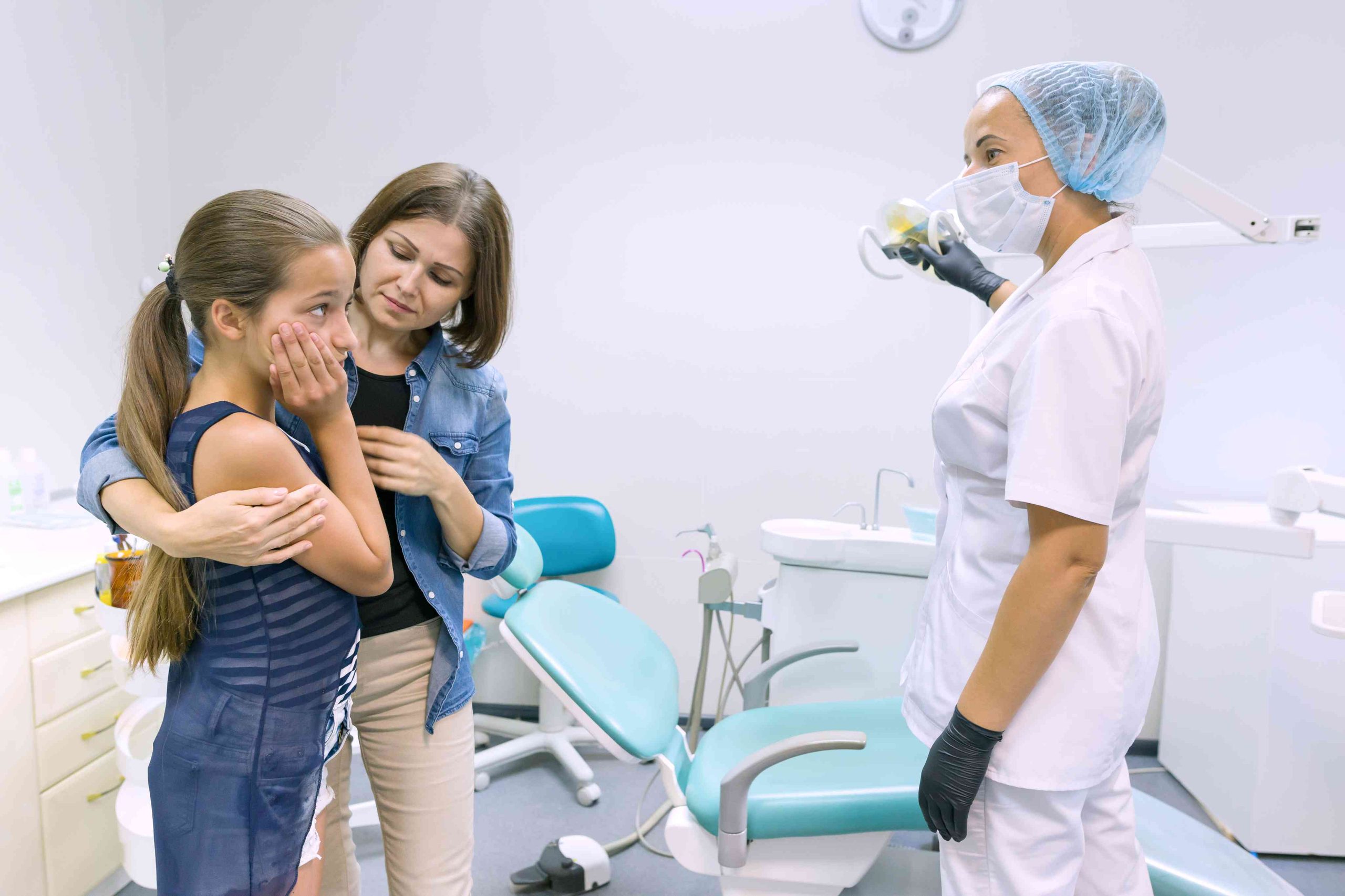
Braces for kids may be recommended when crowding, spacing, bite problems, jaw growth, or tooth eruption patterns need correction after an orthodontic evaluation. Families in Richmond, Needville, and Rosenberg should expect the dentist or orthodontic team to review baby teeth, permanent teeth, bite fit, jaw development, habits, X-rays when needed, and the child’s ability to follow care instructions. Timing depends on growth, diagnosis, and the type of concern being treated.
Children’s teeth do not always come neatly or on the same timeline. A parent in Richmond may notice crowded lower teeth. A family in Needville may see a front tooth coming in at an angle. Someone in Rosenberg may wonder whether a child’s overbite, underbite, crossbite, or spacing should be checked now or later.
Planning braces for kids should begin with an orthodontic evaluation, not a guess based only on appearance. The dental team may review how baby teeth are falling out, how permanent teeth are erupting, how the jaws are growing, and how the upper and lower teeth fit together. Some children only need monitoring. Others may benefit from treatment at a certain growth stage. A clear evaluation helps parents understand timing, options, and home care expectations.
Tooth Alignment Changes as Children Grow
A child’s smile can change a lot between early childhood and teen years. Spaces may appear as the jaw grows. Crowding may show up when permanent teeth need more room. Some teeth may come rotated, tipped, or blocked by other teeth.
For some children, braces for kids may be discussed when alignment problems affect cleaning, bite fit, comfort, or long-term tooth position. The goal is not only a straighter smile. It is also to help teeth work together in a healthier way.
Parents should know that not every crooked tooth need treatment right away. Timing depends on the child’s growth and diagnosis.
Why Bite Fit Matters
Straight teeth are helpful, but the bite also matters. The bite is how the upper and lower teeth meet when a child closes or chews.
A poor bite may cause uneven wear, chewing difficulty, jaw strain, speech concerns, or extra pressure on certain teeth. The dental team may check for deep bite, open bite, crossbite, overjet, underbite, crowding, or spacing.
A child may not complain about these issues because they feel normal to them. A dental evaluation can show whether the bite needs monitoring or treatment.
Children’s Braces Need Good Daily Habits
Parents asking about braces for children should understand that home care is part of the plan. Brackets and wires can trap food and plaque if brushing is rushed or skipped.
Children may need help learning how to brush around brackets, clean near the gumline, and use floss tools. Sugary snacks, sticky foods, and frequent sipping can raise cavity risk during treatment.
A child who is not ready for daily cleaning may need extra guidance before and during orthodontic care.
Treatment Planning Should Fit the Child
A parent may ask about children’s orthodontic treatment because they see crowding, spacing, or bite changes. The recommendation should be based on the child’s mouth, not standard age.
The dental team may review tooth eruption, jaw growth, habits, oral hygiene, X-rays, facial growth, and whether baby teeth are still present. Some children need limited treatment. Others may need more complete alignment later.
Good planning explains why treatment is recommended at a certain time.
Crowding Can Make Cleaning Harder
Crowded teeth can overlap and create tight spaces where plaque collects. Children may struggle to brush or floss in crowded areas well, especially around lower front teeth or back molars.
Crowding may be mild, moderate, or severe. The dental team may check whether there is enough space for permanent teeth and whether any teeth are blocked from coming in correctly.
Treatment may be discussed if crowding affects cleaning, eruption, bite fit, or future alignment.
Spacing Can Have Several Causes
Spaces between children’s teeth can be normal during growth. Baby teeth may have spaces that help make room for larger permanent teeth. Front-tooth spacing can also be part of a child’s normal development.
Some spaces, though, may be linked to missing teeth, small teeth, habits, gum tissue, or bite patterns. The dental team may decide whether spacing should be watched or treated.
Space is not always a problem, but it should be understood in context.
Habits May Affect Tooth Position
Thumb sucking, finger habits, pacifier use, tongue posture, mouth breathing, and certain swallowing patterns may affect how teeth and jaws develop.
The effect depends on the child’s age, how often the habit happens, and how strong the habit is. The dental team may offer guidance when a habit appears to be changing the bite.
Parents should avoid shame or pressure. Habit guidance usually works best when it is calm, age-appropriate, and supportive.
The Right Timing Can Protect Growth Planning
A second discussion of braces for children often focuses on when care should begin. Timing can affect how treatment fits with growth, eruption, school schedules, sports, and home care readiness.
Starting too early may not be useful for some children. Waiting too long may make certain bite concerns more involved. The dental team should explain why the recommended timing makes sense.
Parents should feel comfortable asking what happens if treatment starts now, later, or not at all.
Orthodontic Care May Happen in Phases
A second mention of children’s orthodontic treatment belongs to the phase-planning conversation. Some children may have an early phase to address a growth or bite concern, followed by another phase when more permanent teeth come in.
Other children may only need one phase during the teen years. Some may need monitoring without active treatment.
A phased plan should be explained clearly, so parents know the purpose of each step.
Braces Require Regular Checks
After treatment begins, children usually need regular visits to adjust wires, check tooth movement, review comfort, and monitor hygiene. These visits also help the dental team see whether the teeth are moving as expected.
During treatment with braces for kids, parents may need to watch loose brackets, poking wires, missed brushing spots, or foods that cause breakage. Children should mention soreness, rubbing, or anything that feels sharp.
Progress visits help keep treatment on track.
Food Choices Can Help Avoid Breakage
Hard, sticky, chewy, or crunchy foods can damage brackets and wires. Broken appliances may slow progress or cause discomfort.
Children may need reminders to avoid chewing ice, hard candy, sticky sweets, popcorn kernels, and biting directly into very hard foods. Softer choices can make the first days after adjustments easier.
Food guidance should be practical and easy for families to follow.
What to Expect During the Orthodontic Visit
Before the appointment, parents should share concerns about crowding, spacing, bite fit, oral habits, speech, chewing, dental injuries, brushing struggles, or family orthodontic history.
During a visit with Children’s Dentistry of Texas & Orthodontics, the dentist or orthodontic team may examine teeth, gums, bite, jaw growth, eruption patterns, and oral hygiene. X-rays, photos, or impressions may be recommended depending on the child’s needs.
After the visit, parents should understand whether treatment, monitoring, or another evaluation may be recommended.
Benefits of Thoughtful Orthodontic Planning
For suitable children, braces for kids may help improve tooth alignment, spacing, crowding, bite fit, cleaning access, and long-term dental function.
Benefits depend on the child’s diagnosis, growth, oral hygiene, appliance care, and follow-up visits. Braces are not recommended for every child, and treatment timing should be based on evaluation.
A thoughtful plan gives parents clearer answers about the child’s smile, bite, and development.
Local Patient Review
“My child had crowded teeth, and I was unsure if it was too early to ask about braces. The visit helped explain what needed watching and what could wait.”
Growing Smiles Need the Right Timing
Families in Richmond, Needville, and Rosenberg can make clearer choices when a child’s tooth alignment, bite, jaw growth, and home care readiness are reviewed together. Children’s Dentistry of Texas & Orthodontics can help parents understand whether monitoring or orthodontic care may be the right next step.
Frequently Asked Questions
What signs may mean a child needs an orthodontic check?
Crowding, spacing, early or late tooth loss, bite problems, jaw shifting, or teeth coming sideways should be reviewed.
Does every child with crooked teeth need treatment?
No. Some children only need monitoring while the mouth grows, and more permanent teeth come in.
Can habits affect the tooth position?
Yes. Thumb sucking, pacifier use, tongue posture, and mouth breathing may influence tooth or jaw development.
Is brushing harder during treatment?
Yes. Children need extra care around brackets, wires, gumlines, and back teeth to reduce plaque buildup.
Can sports still be played during care?
Often, yes. A mouthguard may be recommended depending on the sport and the child’s appliance.
What foods should children avoid?
Hard, sticky, chewy, and crunchy foods may damage appliances and should be limited as directed.
Will treatment happen in one phase?
It depends. Some children need one phase; some need two, and others only need monitoring.
How do parents help at home?
Parents can support brushing, food choices, appointments, comfort checks, and calm encouragement.