
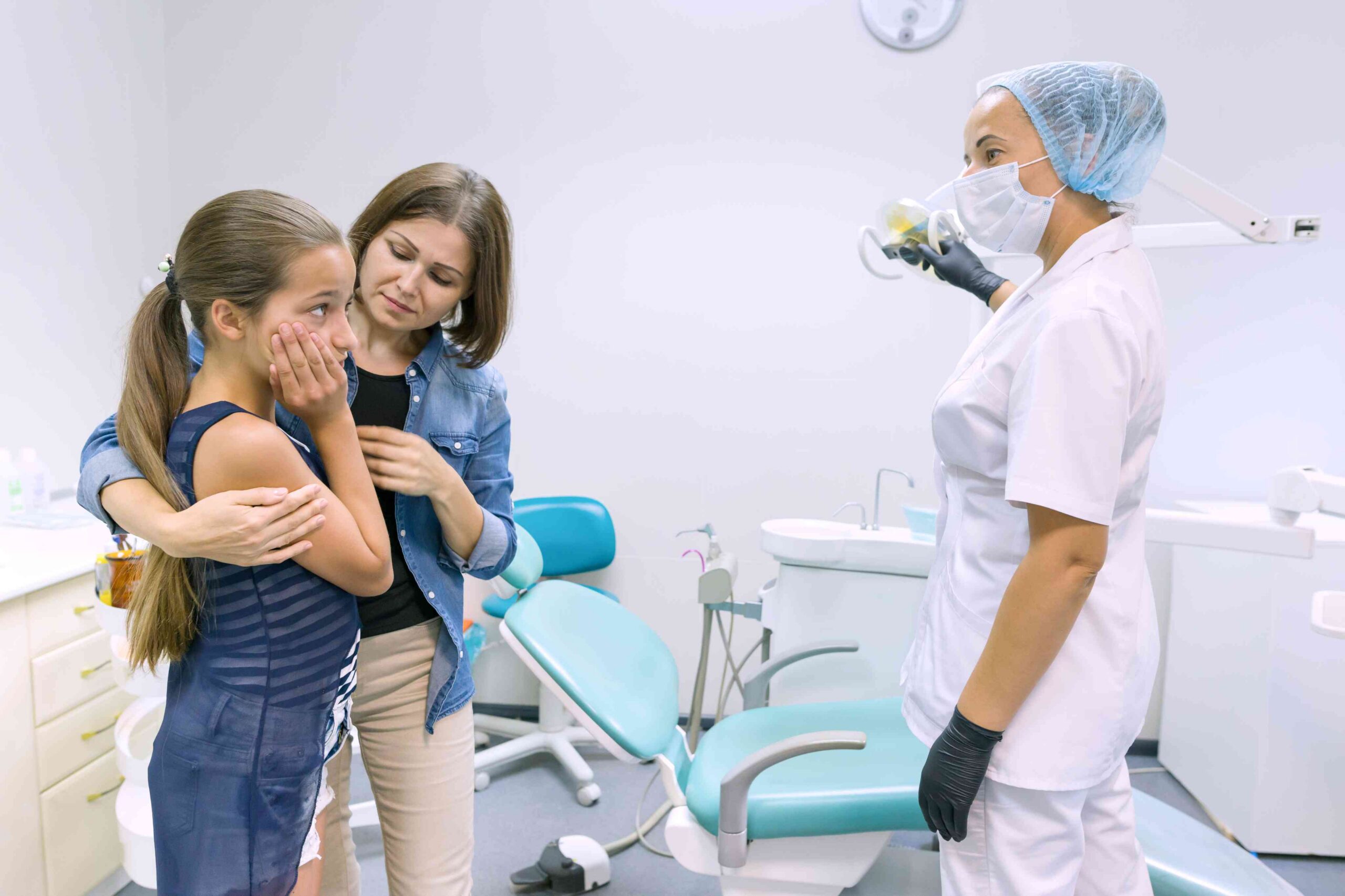
Sedation dentistry for kids Needville TX may be discussed when a child has strong dental anxiety, a sensitive gag reflex, difficulty sitting for care, special health considerations, or dental treatment needs that may be hard to complete with routine support alone. Sedation is not chosen automatically. Needville parents should expect a dental evaluation, health history review, discussion of treatment needs, and clear instructions before any sedation option is recommended for a child.
Some children feel nervous before a dental visit, especially if they have had tooth pain, a previous difficult appointment, or do not understand what will happen. Others may have trouble sitting still, strong gagging, sensory concerns, or treatment needs that make a regular visit more challenging. For parents in Needville, it can be hard to know when extra support may be appropriate.
Sedation dentistry for kids in Needville, TX may be discussed when a child needs help staying calm and cooperative for dental care. It does not replace gentle communication, patience, or a careful exam.
Before sedation is recommended, the dentist needs to review the child’s health history, age, dental needs, anxiety level, and ability to follow instructions. Parents should receive clear information about why sedation is being considered and what to expect.
Why Sedation May Be Discussed for Children
Dental visits can feel overwhelming for some children. A child may be afraid of unfamiliar sounds, worried about discomfort, or unable to stay still long enough for needed care. In other cases, a child may have several dental concerns that require more time than a routine visit.
Dental sedationfor children may help selected patients complete care more calmly. The goal is to support safety, cooperation, and comfort during treatment. The type of sedation discussed depends on the child and the planned dental procedure.
Sedation is not a shortcut or a guarantee. It is a clinical decision that should be made after an evaluation. Some children may do well with simple reassurance, gradual visits, or behavior guidance. Others may need a sedation option after the dentist reviews the situation.
What Sedation Dentistry for Kids Needville TX Parents Should Know
A visit to sedation dentistry for kids in Needville, TX should start with questions. The dentist may ask about medical conditions, allergies, medications, breathing concerns, past sedation or anesthesia experiences, and the child’s dental history.
Parents should also explain how the child usually responds to dental care. Does the child cry before the visit, gag easily, resist opening, or become upset during treatment? These details help the dentist choose the safest and most appropriate plan.
The dentist may also review the amount of treatment needed. A small filling may need a different approach than several teeth requiring care. Sedation choices depend on the child’s health, treatment length, cooperation, and risk level.
Different Levels of Sedation Support
There are different types and levels of sedation used in children’s dental care. Some options help a child relax while staying awake. Other options may be deeper and require more careful monitoring.
Nitrous oxide, sometimes called laughing gas, may be discussed for mild anxiety or shorter treatment. Oral sedation or deeper sedation may be considered for children with stronger anxiety, more involved treatment, or limited cooperation. The specific options depend on the dental office, provider training, and the child’s needs.
Parents should ask what type of sedation is recommended, how the child will be monitored, and what instructions must be followed before and after the visit.
Dental Anxiety in Children
Pediatric dental anxiety can show up in many ways. Some children cry, hide, refuse to sit in a chair, or ask repeated questions. Others become quiet, tense, or complain of stomach discomfort before the appointment.
Anxiety may come from fear of pain, past experiences, stories from others, or simply not knowing what will happen. A child may also feel more nervous if they already have tooth pain.
Needville parents can help by using calm, honest words. Simple phrases like “the dentist will help your teeth feel better” are often easier for children than detailed explanations that may increase worry. Parents should also tell the dental team about fears before treatment begins.
When Sedation May Not Be the First Step
Not every nervous child need sedation. Some children do better with a slower pace, shorter visits, simple explanations, positive reinforcement, or time to become familiar with the dental setting.
The dentist may first try behavior guidance if treatment needs are limited, and the child can cooperate. For a child who is anxious but able to sit for an exam, a gradual approach may be enough.
A sedation dentist for kids in Needville should explain why sedation is or is not recommended. Parents should feel comfortable asking whether other support methods are possible before choosing sedation.
Health History and Safety Planning
Safety planning begins with a full health review. Parents should share medical conditions, allergies, current medications, recent illness, breathing problems, sleep concerns, and any past reactions to sedation or anesthesia.
The dentist may provide instructions about eating, drinking, clothing, medications, arrival time, and supervision after the appointment. These instructions are important and should be followed carefully.
If a child is sick before the sedation appointment, parents should contact the dental office for guidance. Fever, cough, congestion, vomiting, or breathing concerns may affect whether the visit should continue as planned.
Children’s Dental Treatment with Sedation
Children’s dental treatment under sedation may involve fillings, crowns, extractions, space maintainers, or other care depending on the child’s needs. The dentist should explain what treatment is planned before the sedation appointment.
Parents should understand which teeth are being treated and why. They should also ask what could change during the visit if the dentist finds something different than expected.
Sedation helps support the appointment, but the treatment plan still depends on the child’s dental condition. The goal is to complete needed care in a way that is appropriate for the child’s health, comfort, and safety.
What Happens After Sedation Dentistry
After sedation, the dental team will monitor the child until it is safe to leave. Parents may receive instructions about eating, drinking, activity, medications, and what symptoms to watch.
Some children may feel tired, fussy, or less coordinated for a while. Parents should follow the aftercare instructions and keep the child under close supervision.
Needville parents should call the dental office if they have concerns after the visit. Severe pain, swelling, fever, breathing trouble, unusual bleeding, or symptoms that feel concerning should be addressed promptly.
Benefits Parents Often Look For
Sedation may be helpful for selected children when routine support is not enough. The benefits depend on the child’s health, treatment needs, and the type of sedation used.
Parents may value:
- More support for dental anxiety
- Help with longer treatment visits
- Better cooperation for needed care
- Support for strong gagging
- A planned approach for nervous children
- Clear instructions before treatment
- Monitoring during the visit
- Guidance for aftercare at home
- These benefits should be discussed carefully. Sedation should always be based on a child’s evaluation and safety needs.
Local Parent Review
“My child was very nervous about treatment, and I had many questions about sedation. The visit helped explain the options, the safety steps, and what we needed to do at home.”
Clearer Support for Nervous Dental Visits
Sedation can be helpful for selected children, but it should always begin with careful evaluation and parent understanding. Needville families can ask questions about anxiety, health history, treatment needs, and safety steps before deciding. With Children’s Dentistry of Texas & Orthodontics, sedation discussions can focus on thoughtful planning, clear instructions, and dental care that respects each child’s comfort and health.
Frequently Asked Questions
What is sedation dentistry for kids?
Sedation dentistry for kids uses selected calming methods to help children complete dental care when routine support may not be enough. The dentist must evaluate the child first.
Is sedation dentistry for kids in Needville, TX right for every child?
No, sedation is not right for every child. Health history, anxiety level, treatment needs, age, and cooperation must be reviewed before a recommendation is made.
Why might a child need dental sedation?
Sedation may be discussed for strong anxiety, difficulty sitting still, a sensitive gag reflex, special needs, or more involved dental treatment.
Will my child be asleep during sedation?
That depends on the sedation type. Some options help children relax while awake, while deeper options may involve more monitoring and different instructions.
What should parents share before sedation?
Parents should share medical conditions, allergies, medications, recent illness, breathing concerns, and any past sedation or anesthesia experiences.
Can my child eat before a sedation visit?
Food and drink instructions depend on the sedation type. Parents should follow the dental team’s directions carefully for safety.
What happened after the visit?
The child may need rest and close supervision after sedation. The dental team will give instructions about eating, drinking, activity, and symptoms to watch.
Is sedation used for every filling or dental treatment?
No, many children complete treatment without sedation. Sedation may be considered only when the child needs, comfort, and safety support for that choice.